
The History of Riverdale, Georgia
Introduction: The History and Growth of Riverdale, Georgia
Riverdale, Georgia, is a growing city with a history shaped by transportation, agriculture, and suburban development. Located in Clayton County, just south of Atlanta, Riverdale has evolved from a rural farming community into a diverse suburban city that plays an important role in the Atlanta metropolitan area. Its story reflects steady growth, community resilience, and adaptation to the rapid expansion of metro Atlanta.
Though often overshadowed by larger neighboring cities, Riverdale’s development has been closely tied to regional transportation routes, economic change, and residential expansion. Today, Riverdale continues to grow as a community centered on family life, local businesses, and accessibility to Atlanta.

Early History: From Farmland to Settlement (1800s)

What To Do If Your Vehicle Has Hail Damage
In the early 19th century, the area now known as Riverdale was largely agricultural land. Early settlers relied on farming, livestock, and small trade routes to support their livelihoods. The region benefited from fertile soil and access to nearby rivers and creeks, which supported both agriculture and transportation.
Riverdale’s early growth was influenced by its proximity to key transportation corridors connecting rural Georgia to Atlanta. These routes allowed farmers and merchants to move goods more efficiently, gradually attracting more settlers to the area.
Railroad Influence and Community Formation

What To Do If Your Vehicle Has Hail Damage
The arrival of the railroad in the late 1800s marked a turning point for Riverdale. Rail access improved transportation and trade, helping the community grow beyond its agricultural roots. Businesses, homes, and services developed near rail lines, forming the foundation of a small but stable town.
The railroad connected Riverdale directly to Atlanta’s economy, allowing residents to participate in regional commerce while maintaining a quieter, small-town lifestyle. This balance would later become one of Riverdale’s defining characteristics.
Incorporation and Mid-20th Century Growth
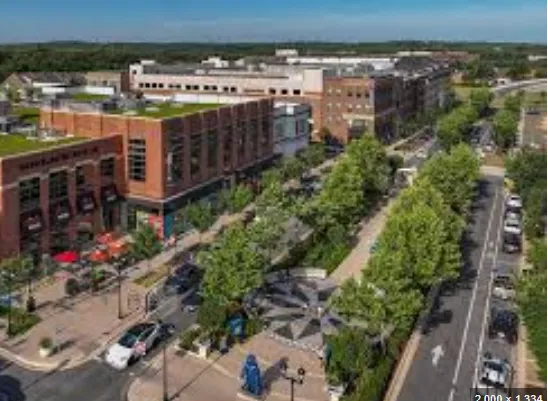
Riverdale was officially incorporated as a city in 1970, during a period of rapid suburban expansion across metro Atlanta. Improved highways, including proximity to Interstate 75 and major roads, made Riverdale attractive to families seeking affordable housing and convenient access to Atlanta.
During the mid-to-late 20th century, Riverdale experienced population growth, residential development, and expansion of public services. Schools, shopping centers, churches, and civic institutions became central to community life, reinforcing Riverdale’s identity as a family-oriented suburban city.
Transportation and Proximity to Hartsfield-Jackson Airport

Riverdale’s location near Hartsfield-Jackson Atlanta International Airport has significantly influenced its economy and development. The airport created employment opportunities in aviation, logistics, hospitality, and related industries, benefiting many Riverdale residents.
Easy access to major transportation networks positioned Riverdale as a convenient residential hub for workers commuting throughout the Atlanta region. While airport growth brought challenges such as noise and traffic, it also strengthened Riverdale’s connection to global commerce and travel.
Social Change, Challenges, and Community Strength
Like many suburban cities, Riverdale faced challenges related to economic shifts, infrastructure needs, and population changes. However, strong community organizations, local leadership, and civic engagement have helped the city respond to these challenges.
Riverdale’s diversity has become one of its strengths. The city is home to residents from various cultural and economic backgrounds, contributing to a rich community life supported by schools, faith-based organizations, and local initiatives.

Modern Riverdale: Revitalization and Future Growth
In recent years, Riverdale has focused on revitalization and sustainable growth. City leaders have invested in infrastructure improvements, public services, parks, and community development projects aimed at improving quality of life for residents.
Efforts to attract small businesses, improve housing, and strengthen public spaces continue to shape Riverdale’s future. With its strategic location, affordable living options, and strong sense of community, Riverdale remains an important part of Clayton County and the greater Atlanta metropolitan area.

Conclusion
Riverdale, Georgia, is a city rooted in agriculture, shaped by transportation, and strengthened by community resilience. From its early days as farmland to its growth as a suburban city connected to Atlanta and a major international airport, Riverdale has continually adapted to change. Today, it stands as a diverse, family-focused community with ongoing opportunities for development and renewal—reflecting both its history and its promise for the future.
Questions and Answers About Riverdale, Georgia
Q. What is the history of Riverdale, Georgia?
A. Riverdale began as an agricultural community in the 19th century, with early settlers relying on farming and local trade. Its growth accelerated with the arrival of the railroad in the late 1800s and later with suburban expansion in the mid-20th century. Riverdale was officially incorporated as a city in 1970.
Q. How did transportation influence Riverdale’s development?
A. Transportation played a major role in Riverdale’s growth. Early trade routes and railroads connected the area to Atlanta’s economy, while later highway access and proximity to Hartsfield-Jackson Atlanta International Airport supported suburban growth, employment opportunities, and regional connectivity.
Q. Why is Riverdale important to the Atlanta metropolitan area?
A. Riverdale serves as a residential and economic support city within metro Atlanta. Its location in Clayton County, close to major highways and the airport, makes it an attractive community for families and workers commuting throughout the region.
Q. How has Riverdale’s economy evolved over time?
A. Riverdale’s economy evolved from agriculture to rail-based trade and eventually to suburban commerce and service-related industries. Today, many residents work in aviation, logistics, retail, healthcare, and public services, benefiting from the city’s proximity to Atlanta and the airport.
Q. What role did incorporation play in Riverdale’s growth?
A. Incorporation in 1970 allowed Riverdale to establish local governance, improve public services, and guide residential and commercial development. This period marked significant population growth and infrastructure expansion.
Q. What challenges has Riverdale faced?
A. Riverdale has faced challenges related to rapid suburban growth, economic shifts, infrastructure needs, and social change. However, strong community involvement and local leadership have helped address these issues and promote stability.
Q. What is significant about Riverdale’s community and population?
A. Riverdale is known for its diverse and family-oriented population. Cultural diversity, community organizations, schools, and faith-based institutions play a key role in strengthening social ties and supporting local development.
Q. What revitalization efforts are taking place in Riverdale today?
A. Modern revitalization efforts focus on improving infrastructure, enhancing public services, supporting small businesses, and investing in community spaces such as parks and recreational facilities to improve quality of life.
Q. How does Riverdale’s location affect its future growth?
A. Riverdale’s strategic location near major transportation routes and Hartsfield-Jackson Atlanta International Airport positions it well for continued growth, economic opportunity, and regional integration within the Atlanta metropolitan area.
Q. What defines Riverdale today?
A. Riverdale is defined by its evolution from farmland to a suburban city, its strong community spirit, and its ongoing efforts toward sustainable development. It remains an important and growing part of Clayton County and metro Atlanta.

Written By: E. Bel
Tax professional and manager with 12+ years experience in the tax industry





Up Next >
Up Next >
Monday - Friday: 10:00 AM - 7:00 PM
Saturday: 11:00 AM - 5:00 PM
Sunday: Closed




The History of Detroit, Michigan
Introduction: The History and Growth of Riverdale, Georgia
Riverdale, Georgia, is a growing city with a history shaped by transportation, agriculture, and suburban development. Located in Clayton County, just south of Atlanta, Riverdale has evolved from a rural farming community into a diverse suburban city that plays an important role in the Atlanta metropolitan area. Its story reflects steady growth, community resilience, and adaptation to the rapid expansion of metro Atlanta.
Though often overshadowed by larger neighboring cities, Riverdale’s development has been closely tied to regional transportation routes, economic change, and residential expansion. Today, Riverdale continues to grow as a community centered on family life, local businesses, and accessibility to Atlanta.
Early History: From Farmland to Settlement (1800s)
In the early 19th century, the area now known as Riverdale was largely agricultural land. Early settlers relied on farming, livestock, and small trade routes to support their livelihoods. The region benefited from fertile soil and access to nearby rivers and creeks, which supported both agriculture and transportation.
Riverdale’s early growth was influenced by its proximity to key transportation corridors connecting rural Georgia to Atlanta. These routes allowed farmers and merchants to move goods more efficiently, gradually attracting more settlers to the area.
Railroad Influence and Community Formation
The arrival of the railroad in the late 1800s marked a turning point for Riverdale. Rail access improved transportation and trade, helping the community grow beyond its agricultural roots. Businesses, homes, and services developed near rail lines, forming the foundation of a small but stable town.
The railroad connected Riverdale directly to Atlanta’s economy, allowing residents to participate in regional commerce while maintaining a quieter, small-town lifestyle. This balance would later become one of Riverdale’s defining characteristics.
Incorporation and Mid-20th Century Growth
Riverdale was officially incorporated as a city in 1970, during a period of rapid suburban expansion across metro Atlanta. Improved highways, including proximity to Interstate 75 and major roads, made Riverdale attractive to families seeking affordable housing and convenient access to Atlanta.
During the mid-to-late 20th century, Riverdale experienced population growth, residential development, and expansion of public services. Schools, shopping centers, churches, and civic institutions became central to community life, reinforcing Riverdale’s identity as a family-oriented suburban city.
Transportation and Proximity to Hartsfield-Jackson Airport
Riverdale’s location near Hartsfield-Jackson Atlanta International Airport has significantly influenced its economy and development. The airport created employment opportunities in aviation, logistics, hospitality, and related industries, benefiting many Riverdale residents.
Easy access to major transportation networks positioned Riverdale as a convenient residential hub for workers commuting throughout the Atlanta region. While airport growth brought challenges such as noise and traffic, it also strengthened Riverdale’s connection to global commerce and travel.
Social Change, Challenges, and Community Strength
Like many suburban cities, Riverdale faced challenges related to economic shifts, infrastructure needs, and population changes. However, strong community organizations, local leadership, and civic engagement have helped the city respond to these challenges.
Riverdale’s diversity has become one of its strengths. The city is home to residents from various cultural and economic backgrounds, contributing to a rich community life supported by schools, faith-based organizations, and local initiatives.
Modern Riverdale: Revitalization and Future Growth
In recent years, Riverdale has focused on revitalization and sustainable growth. City leaders have invested in infrastructure improvements, public services, parks, and community development projects aimed at improving quality of life for residents.
Efforts to attract small businesses, improve housing, and strengthen public spaces continue to shape Riverdale’s future. With its strategic location, affordable living options, and strong sense of community, Riverdale remains an important part of Clayton County and the greater Atlanta metropolitan area.
Conclusion
Riverdale, Georgia, is a city rooted in agriculture, shaped by transportation, and strengthened by community resilience. From its early days as farmland to its growth as a suburban city connected to Atlanta and a major international airport, Riverdale has continually adapted to change. Today, it stands as a diverse, family-focused community with ongoing opportunities for development and renewal—reflecting both its history and its promise for the future.
Questions and Answers About Riverdale, Georgia
Q. What is the history of Riverdale, Georgia?
A. Riverdale began as an agricultural community in the 19th century, with early settlers relying on farming and local trade. Its growth accelerated with the arrival of the railroad in the late 1800s and later with suburban expansion in the mid-20th century. Riverdale was officially incorporated as a city in 1970.
Q. How did transportation influence Riverdale’s development?
A. Transportation played a major role in Riverdale’s growth. Early trade routes and railroads connected the area to Atlanta’s economy, while later highway access and proximity to Hartsfield-Jackson Atlanta International Airport supported suburban growth, employment opportunities, and regional connectivity.
Q. Why is Riverdale important to the Atlanta metropolitan area?
A. Riverdale serves as a residential and economic support city within metro Atlanta. Its location in Clayton County, close to major highways and the airport, makes it an attractive community for families and workers commuting throughout the region.
Q. How has Riverdale’s economy evolved over time?
A. Riverdale’s economy evolved from agriculture to rail-based trade and eventually to suburban commerce and service-related industries. Today, many residents work in aviation, logistics, retail, healthcare, and public services, benefiting from the city’s proximity to Atlanta and the airport.
Q. What role did incorporation play in Riverdale’s growth?
A. Incorporation in 1970 allowed Riverdale to establish local governance, improve public services, and guide residential and commercial development. This period marked significant population growth and infrastructure expansion.
Q. What challenges has Riverdale faced?
A. Riverdale has faced challenges related to rapid suburban growth, economic shifts, infrastructure needs, and social change. However, strong community involvement and local leadership have helped address these issues and promote stability.
Q. What is significant about Riverdale’s community and population?
A. Riverdale is known for its diverse and family-oriented population. Cultural diversity, community organizations, schools, and faith-based institutions play a key role in strengthening social ties and supporting local development.
Q. What revitalization efforts are taking place in Riverdale today?
A. Modern revitalization efforts focus on improving infrastructure, enhancing public services, supporting small businesses, and investing in community spaces such as parks and recreational facilities to improve quality of life.
Q. How does Riverdale’s location affect its future growth?
A. Riverdale’s strategic location near major transportation routes and Hartsfield-Jackson Atlanta International Airport positions it well for continued growth, economic opportunity, and regional integration within the Atlanta metropolitan area.
Q. What defines Riverdale today?
A. Riverdale is defined by its evolution from farmland to a suburban city, its strong community spirit, and its ongoing efforts toward sustainable development. It remains an important and growing part of Clayton County and metro Atlanta.
Written By: E. Bel.
Tax professional and manager with 12+ years experience in the tax industry
(404) 214-3892
Service Hours
Monday - Friday: 10:00 AM - 7:00 PM
Saturday: 11:00 AM - 5:00 PM
Sunday: Closed
Social Media